India’s Race Against Cervical Cancer
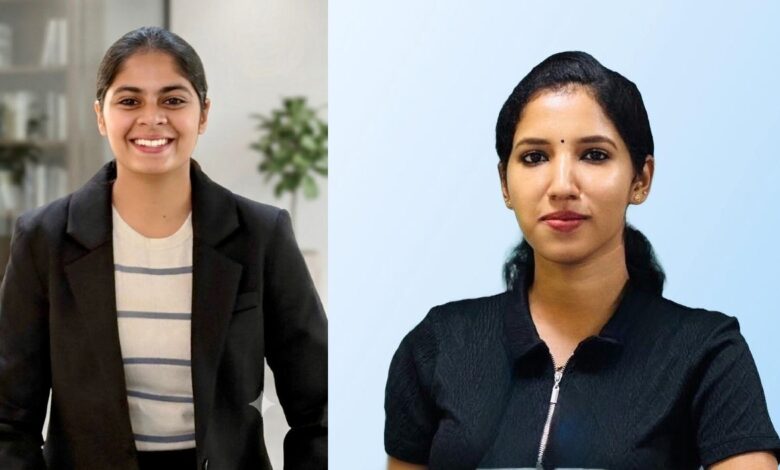
Priyanka Rao (Research Scholar), Dr Aswathy Gopi (Assistant Professor) Department of Psychology, SRM University-AP
The HPV vaccine has reached about 80% of India’s girls. The remaining fifth is a question of psychology, not supply.


This is one achievement that many people thought could not be attained. After the failure of its earlier attempt of HPV vaccination 16 years ago, India initiated a free national program on 28th February 2026. Prime Minister Narendra Modi launched the program in Ajmer, Rajasthan. The goal was to immunize 1.15 crore girls, age 14, with a single shot of Gardasil, which will protect them from human papillomavirus types 16, 18, 6, and 11. Within mid-September, over 80 lakh girls were vaccinated, while states like Gujarat, Uttar Pradesh, Madhya Pradesh, and Mizoram have completed vaccinating their targeted population. Now media reports state the national vaccination coverage is nearing 80 percent of the female population.
However, the reason behind the urgency lies in the magnitude of the problem. India makes up one quarter of global deaths due to cervical cancer, and one out of every five women globally suffering from cervical cancer is Indian. In India, HPV 16 and 18 cause over 80 percent of cases, and this vaccine is 93 to 100 percent effective against cancers caused by these two viruses.
The easy 80 per cent
Four in every five girls is a feat achieved but is relatively easy to do. Those who will get their daughters vaccinated on time will be people who have a certain level of trust with the healthcare system, who are aware of the program through education provided by schools and health practitioners, and who view the vaccination process as a routine process. What about the other one-fifth? The reasons why they would not give in to the vaccination are less about accessibility and more about what goes through the mind of the parents when asked to vaccinate their healthy children.
The weight of action and inaction
Behavioral scientists mention omission bias – people feel that the harm caused by doing something is worse than the harm caused by not doing something. In case the girl gets sick after getting vaccinated, even if it is just coincidental, the parent will take responsibility. But if the girl gets cancer in 25 years time, it would be seen as destiny. The two cases are not considered equally, even though the risk is much higher with the disease than with the vaccine.
This example helps understand the case of a vaccination camp in Delhi, when only 34 out of 200 girls got their free vaccinations. Medical experts suggested that myths about infertility and other complications influenced the decision of the parents, because almost every second parent asked about infertility.
A danger too far away to feel
Cervical cancer will take many years before it starts showing up after the infection. Humans have the tendency to give little importance to the distant future, so something that could happen many years from now does not seem urgent for the parents of a 14-year-old. According to the health belief model, the perceived susceptibility of the parents is low, and without that, they are unlikely to do anything about it. This can change according to the findings of the research: a study done in Manipur found that health education improved acceptance among parents.
What the shot is thought to mean
As the disease is sexually transmitted, there are several social implications attached to the vaccine that go beyond the medical aspect. One research conducted in Mysore shows that parents residing in rural areas were more concerned about the fact that the vaccine would make the girl sexually active. The problem arises from the perceptions associated with the vaccine rather than its results. Stigmatization also makes the discourse quite awkward. One research with Indian doctors shows that doctors themselves felt hesitation, as they expected the same behavior from parents regarding the topic of cervical cancer.
Information is not trust
One might easily be led into believing that more information would make things work out with the last few families. But facts prove differently. There are still cases where mistrust remains despite being in a well-educated urban society, especially because of previous controversies over vaccines. In Pune, it was found that parents relied more on unreliable sources and did not have the chance for proper discussions with a doctor. The physician at the camp in Delhi said it clearly – “Awareness increases, but trust takes time.”
Closing the gap
Eighty percent on a national average can hide the discrepancy in its distribution, and the households that have not yet achieved the milestone are often those with the least opportunities to get reliable information sources. Bridging the gap is likely to be a process that will require a totally different approach compared to the one used to achieve the initial eighty percent. The schools and community health workers can discuss the topic of infertility head-on instead of trying to skirt around it. Doctors can feel confident and have enough time to encourage vaccination. Mothers and fathers can be free to ask embarrassing questions.
India has shown its capability of getting, distributing and giving the vaccine to its population on a national level. All that is left is slow and humane work. The last twenty percent can only be achieved in conversations where a family decides that it is safe to vaccinate their daughter.